
Inspiration

Before, With, or After Meals: When Should You Support Digestion?

One of the most common questions people ask when building a wellness routine around food is simple: When is the best time to support digestion?

Should it be before eating? During the meal? Or afterward?

The truth is that digestion is not a single event that begins and ends at the dining table. It is a continuous process that starts before the first bite and continues long after the meal is over. Understanding this process can help create more mindful eating habits and a more comfortable dining experience.

Digestion Begins Before the First Bite

Most people think digestion starts when food reaches the stomach. In reality, the digestive process begins much earlier.

The sight, smell, and anticipation of food signal the body to prepare for eating. Saliva production increases, digestive processes begin activating, and the body gets ready to receive nourishment.

This is one reason why taking a few moments to slow down before eating can be beneficial. Rushing directly into a meal after work, meetings, or stressful situations may not allow the body the same opportunity to transition into a relaxed eating state.

Supporting Digestion During Meals

The meal itself is where many daily habits influence digestive comfort.

Modern lifestyles often encourage multitasking during meals. Phones, televisions, laptops, and rushed schedules can easily turn eating into an automatic activity rather than a mindful one.

Simple habits during meals can help create a better experience:

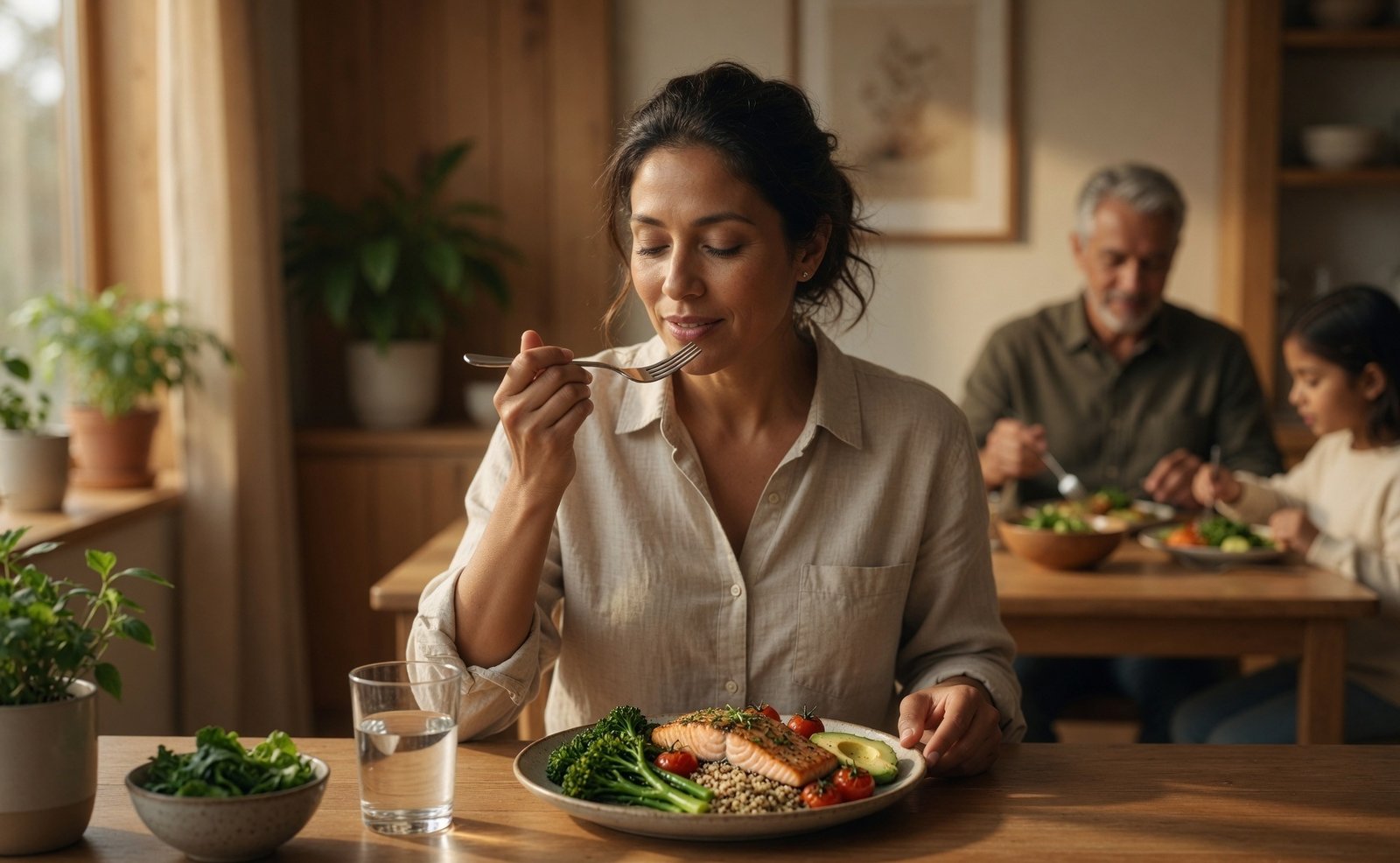
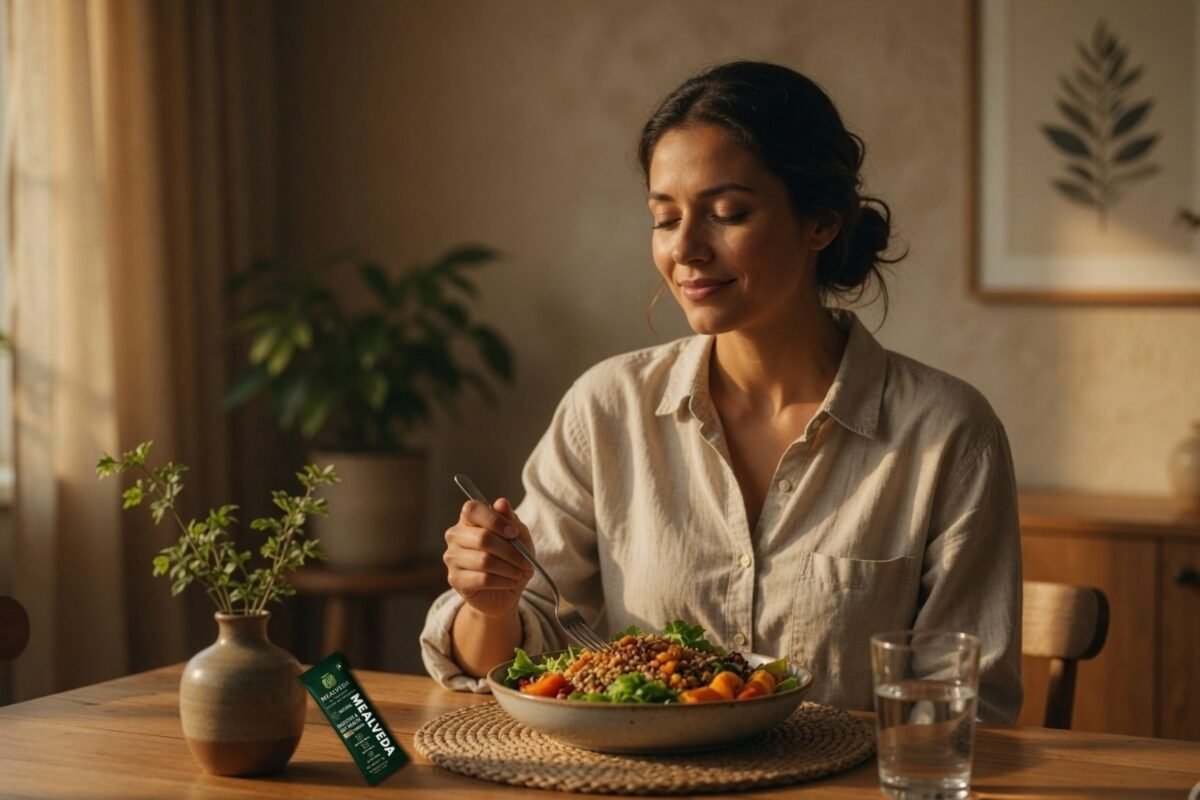
  • Eat at a comfortable pace
  • Chew food thoroughly
  • Avoid rushing through meals
  • Focus on the food instead of distractions
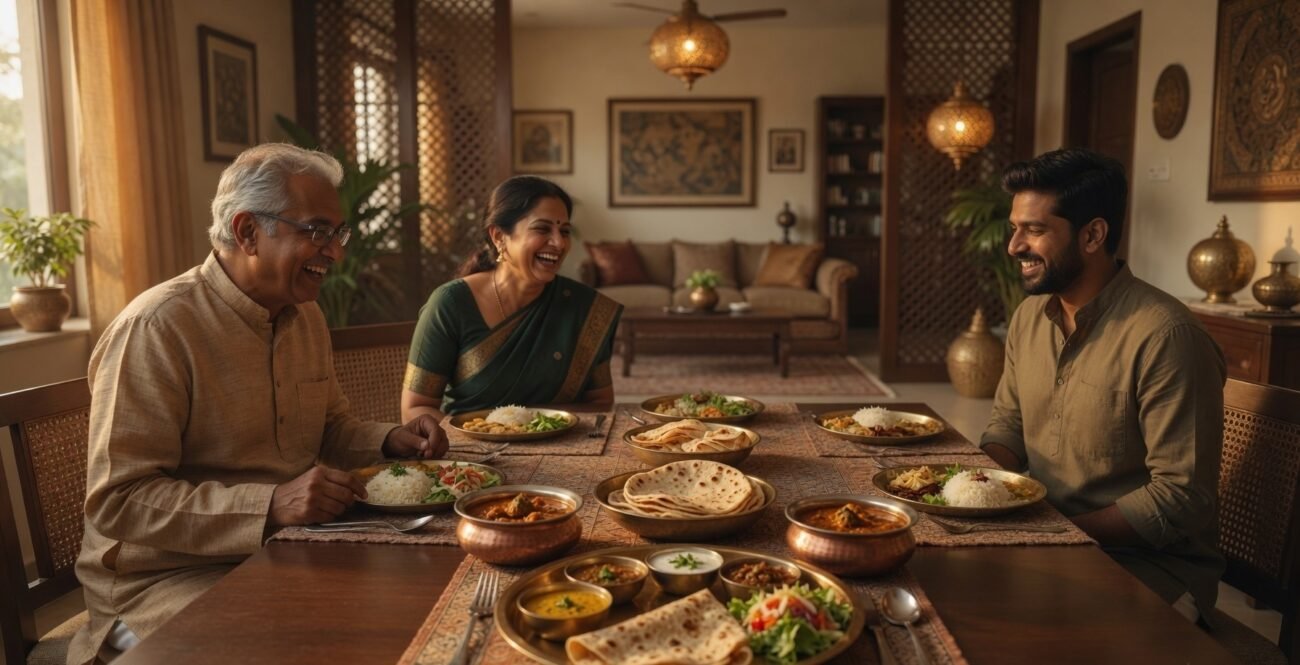
  • Enjoy conversations and family time

Many traditional cultures treated meals as meaningful rituals rather than interruptions in the day. There is wisdom in that approach.

What Happens After the Meal?

The digestive system continues working long after the last bite has been eaten.

This is why many people notice feelings of heaviness, sluggishness, or discomfort after particularly large meals, rich foods, festive celebrations, or restaurant dining experiences.

Creating healthy post-meal habits can make a difference:

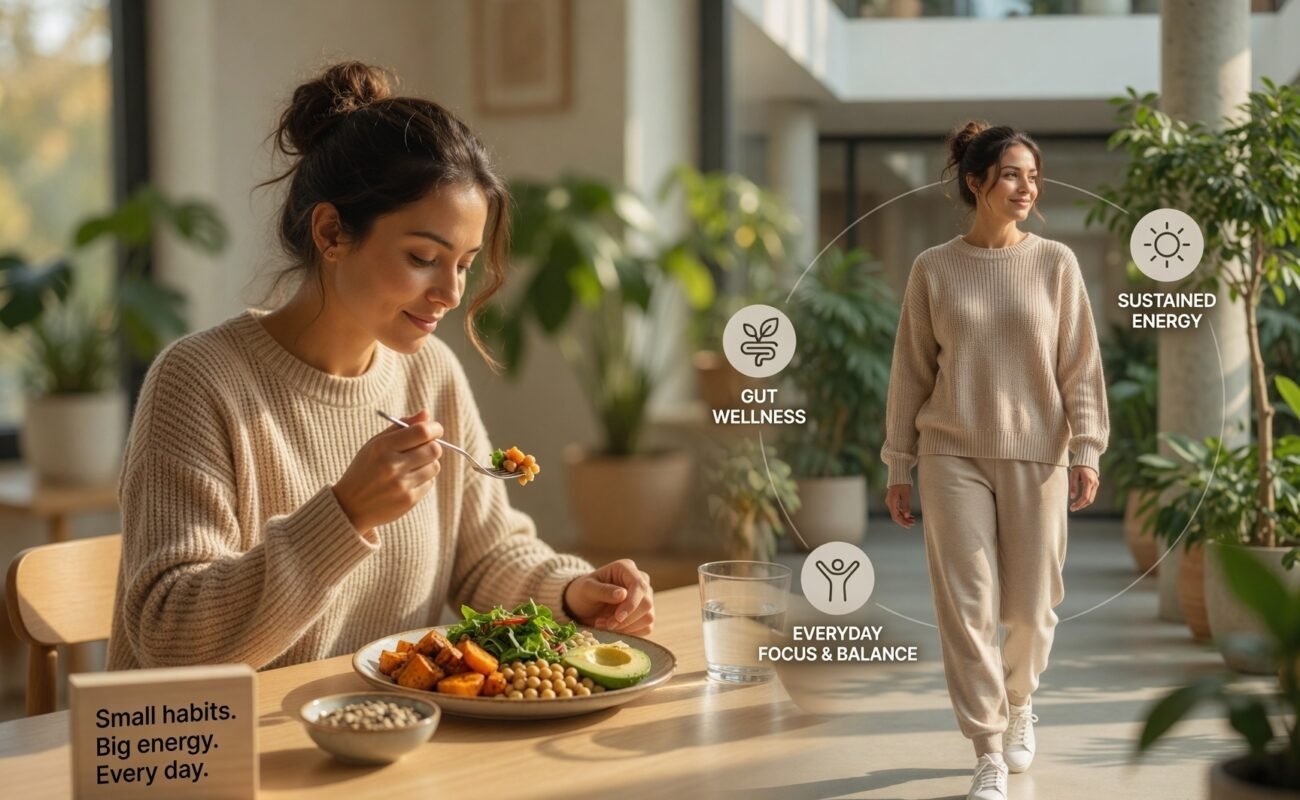
  • Take a gentle walk
  • Stay hydrated
  • Avoid immediately lying down
  • Give the body time to process the meal comfortably

These simple practices have been recommended across generations and continue to be relevant today.

Modern Meals Require Modern Solutions

Today's lifestyles include office lunches, business travel, family gatherings, celebrations, restaurant dining, and changing schedules.

Rather than trying to follow complicated routines, many people prefer simple wellness habits that fit naturally into everyday life.

The goal is not to make eating complicated. It is to make wellness easier to maintain, regardless of where or what you are eating.

Building a Sustainable Routine

When it comes to digestive wellness, small consistent habits often matter more than occasional dramatic changes.

Ask yourself:

  • Am I eating mindfully?
  • Am I giving my body enough time to enjoy meals?
  • Do I have simple wellness practices that fit naturally into my routine?

The answers to these questions often reveal opportunities for improvement.